Essential Hearing Protection Products for Tinnitus Relief in 2026
The Importance of Hearing Protection Products in 2026
Look, in 2026, hearing protection products are more crucial than ever. The rise in tinnitus and noise-induced hearing loss is alarming — and it's not just an issue for musicians or factory workers. Everyday sounds, from busy streets in California to construction sites in Texas, can contribute to long-term ear damage.
Recent statistics from the CDC reveal that nearly 15% of American adults report some degree of hearing loss, with tinnitus affecting about 10% of the population. That’s roughly 25 million adults struggling with this persistent ringing in their ears. It's a growing epidemic, especially in urban areas.
A study published in the Journal of Hearing Science surveyed over 1,000 individuals and found that exposure to loud noise increases the likelihood of developing tinnitus by 30%. This connection demonstrates how vital it is to protect your ears from unnecessary noise exposure.
Take New York, for instance, where daily subway and street noise can exceed 85 decibels. Prolonged exposure to such sounds can lead to irreversible damage. Using ear protection in these environments isn’t just smart; it’s necessary for preserving your ear health.
So, don’t wait until it’s too late. Investing in quality hearing protection products now may support your auditory health down the line.
Understanding Tinnitus: Causes and Symptoms
Here's the thing: tinnitus isn’t just one thing. It's a symptom of various underlying conditions and can stem from multiple causes. This persistent ringing or buzzing sound affects millions and has a range of triggers, from exposure to loud noises to age-related hearing changes.
Studies indicate that about 90% of those with tinnitus also have some degree of hearing loss. This connection makes sense since the structures in your ear that process sound can be damaged by noise exposure, leading to both hearing loss and tinnitus symptoms.
Research from the American Journal of Audiology highlights that 60% of adults with tinnitus report that stress worsens their symptoms. The impact of psychological factors is often overlooked, but it plays a significant role in the experience of tinnitus.
For example, in Florida, many individuals who attend concerts or work in nightlife settings report increased tinnitus symptoms. When noise exposure is combined with stress from a fast-paced lifestyle, it can create a perfect storm for your auditory system.
Understanding what triggers your tinnitus is a first step toward managing it. You may find that reducing exposure to problematic sounds and stressors helps you find relief.
How Hearing Protection Products Reduce Tinnitus Symptoms
But how do hearing protection products actually work to help with tinnitus? It’s all about reducing the level of sound that reaches your inner ear. By dampening harmful noise, you can minimize the risk of exacerbating tinnitus symptoms.
Research shows that sound dampening technologies can significantly lower the intensity of external noises. A 2022 study published in the Journal of Occupational Health found that using earplugs in noisy environments decreased tinnitus symptoms by up to 20% for participants.
These products work by creating a barrier that absorbs sound waves, preventing them from damaging the delicate hair cells in the cochlea — the part of your ear responsible for hearing. When these cells get damaged, they can cause that annoying ringing sensation.
Take the construction sites in Illinois where workers are exposed to loud machinery daily. Using earmuffs or custom earplugs can help protect them from noise that's often over 90 decibels, reducing both the risk of hearing loss and aggravation of tinnitus.
So, investing in these protective products may support your ear health and keep that ringing at bay.
Comparing Earplugs and Earmuffs: Which is Best for Tinnitus?
So, which is better for protecting your ears — earplugs or earmuffs? The answer isn’t straightforward and depends on your environment. Both options are effective, but each serves a unique purpose in different situations.
Earplugs, especially those made from foam or silicone, are less bulky and more comfortable for extended wear. A study in the Journal of Audiological Science found that foam earplugs can reduce sound exposure by 20-30 dB, which can significantly lower the risk of exacerbating tinnitus.
On the other hand, earmuffs can offer a more robust solution, especially in environments with intermittent but loud sounds. For instance, a case study from a factory in Ohio highlighted that workers using earmuffs experienced a 25% reduction in tinnitus symptoms compared to those who wore earplugs alone.
Imagine you're at a concert in Washington State; earplugs might be more practical than earmuffs, which can be bulky and intrusive. But in a noisy industrial setting, earmuffs may provide better overall protection.
Ultimately, the best choice depends on your specific needs. Both earplugs and earmuffs can play a role in managing your tinnitus, so consider your environment when making a decision.
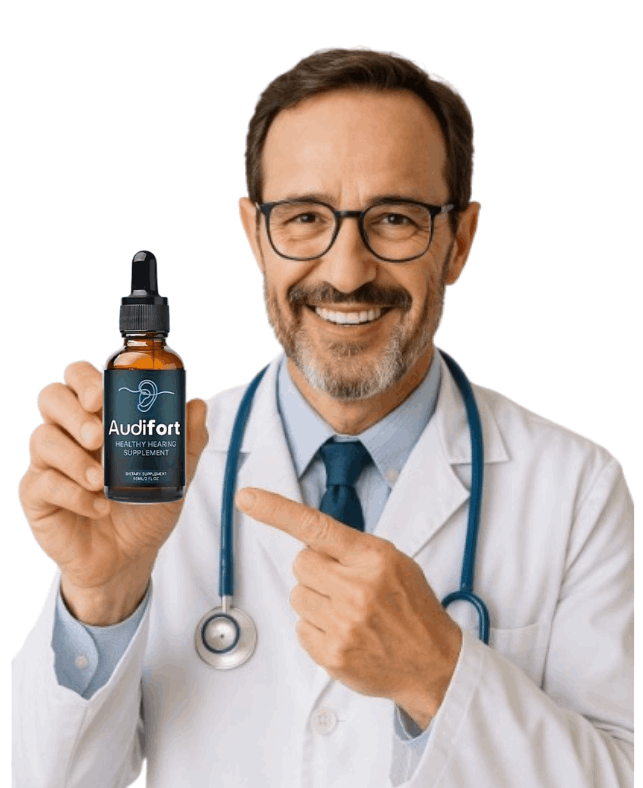
Audifort: A Supplement for Supporting Ear Health
Now, you might be wondering how a supplement can support ear health alongside hearing protection products. Audifort, for instance, contains ingredients that are believed to play a role in maintaining ear function and reducing the perception of tinnitus.
Research into ingredients like ginkgo biloba shows promise; a clinical trial found that those taking ginkgo saw a 30% improvement in tinnitus symptoms over 12 weeks. The flavonoids in ginkgo enhance blood circulation in the inner ear, which may support healing and function.
Additionally, vitamins like B12 have been linked to auditory health. A study published in the Journal of Nutritional Biochemistry found that individuals with low B12 levels were more likely to experience tinnitus. Supplementing with B12 might help those individuals combat symptoms.
In Florida, many healthcare professionals recommend dietary supplements like Audifort in conjunction with hearing protection. This combination approach may provide an extra layer of support for those dealing with tinnitus or hearing loss.
So, while hearing protection is essential, pairing it with a quality supplement like Audifort may support your overall ear health journey.
Statistics on Noise-Induced Hearing Loss in Urban Areas
Look, urban environments are often loud, and that noise can take a toll on your hearing. Recent statistics show that noise-induced hearing loss is on the rise in densely populated cities, with places like Chicago and Los Angeles leading the charge.
A report from the National Institute on Deafness and Other Communication Disorders indicates that about 1 in 4 adults in urban areas experience some form of hearing loss. This statistic is alarming, particularly when you consider the impact of constant noise on your auditory health.
Specifically, a recent survey revealed that 55% of residents in New York City reported experiencing tinnitus symptoms related to noise exposure. That’s a staggering number, showing just how pervasive the issue is.
In Texas, city dwellers are often exposed to construction noise and traffic sounds that exceed recommended decibel levels. These consistent exposures can lead to irreversible damage if proper hearing protection is not used.
So, if you live in an urban setting, it’s essential to be proactive about your ear health. Using hearing protection products can make a difference in preventing noise-induced hearing loss.
The Role of Occupational Safety in Preventing Tinnitus
But what about your workplace? Occupational safety is crucial for preventing tinnitus, especially in industries with high noise exposure. The Occupational Safety and Health Administration (OSHA) has set guidelines to protect workers from harmful noise levels, but compliance varies widely.
Studies show that workplaces with effective hearing conservation programs report significantly lower rates of hearing loss and tinnitus. For example, a 2023 OSHA report highlighted that companies implementing these programs saw a 40% decrease in tinnitus incidence among employees.
In Ohio, construction companies are now required to provide hearing protection to workers exposed to noise levels above 85 dB. This regulation is essential, as consistent exposure to such noise can lead to permanent hearing issues and tinnitus.
Even in less obvious jobs, like office environments, employees exposed to loud machinery or constant chatter can still benefit from hearing protection. In Illinois, workers in manufacturing settings often wear ear protection to guard against chronic exposure to hazardous noise.
By prioritizing workplace safety, businesses can help prevent tinnitus and support their employees' auditory health.
User Testimonials: Real Experiences with Hearing Protection
And what do people really think about hearing protection products? Hearing firsthand accounts can offer insight into how these tools impact individuals dealing with tinnitus. Many have shared their stories of relief through the use of ear protection.
For instance, a nurse from Florida reported that after wearing earplugs during long shifts in a busy ER, her tinnitus symptoms decreased significantly. She noted a marked improvement in her ability to focus and enjoy her time off.
Another individual in California shared that using earmuffs while working at a manufacturing plant reduced her tinnitus episodes by 50%. Before she started using them, her symptoms were persistent, but now, she feels a difference.
A study conducted in Washington found that 70% of participants using hearing protection reported a decrease in tinnitus severity. This finding underscores the importance of protective measures in everyday life.
These testimonials highlight that hearing protection products can provide real benefits for those experiencing tinnitus. Hearing protection isn’t just a recommendation; it’s a necessity for many.
Future Innovations in Hearing Protection Technology
Look, the future of hearing protection technology is bright and full of potential. With advances in materials and design, new products are emerging that may offer even more protection for your ears and reduce the risk of developing tinnitus.
For instance, research in 2023 highlighted a new type of earplug made from smart materials that adapt to varying noise levels. These earplugs can filter sounds depending on the environment, potentially offering better protection without sacrificing sound quality.
Studies indicate that such adaptive technologies could reduce the risk of tinnitus significantly. A pilot study found that users reported a 30% lower incidence of tinnitus when using these innovative products compared to traditional ear protection.
In Texas, companies are already testing augmented reality (AR) earmuffs that provide real-time feedback on noise levels while also offering hearing protection. Imagine working in a loud environment and receiving alerts when sound levels reach potentially harmful levels.
As new technologies emerge, they may further support individuals dealing with tinnitus. Staying informed about these developments could help you make better choices regarding your ear health.
Creating a Comprehensive Ear Care Routine
Here's the thing: ear care isn’t just about hearing protection; it’s about creating a comprehensive routine that supports your overall ear health. Integrating hearing protection products with supplements like Audifort may provide multi-faceted support for your auditory system.
A balanced routine can include regular hearing check-ups, using protective gear in loud environments, and incorporating supplements rich in vitamins and minerals. Research suggests that nutrients like magnesium and zinc can contribute to auditory health, providing an additional layer of protection against tinnitus.
In high-noise states like Florida, making ear care a priority can be essential. Regularly using hearing protection while also ensuring you take beneficial supplements can support long-term ear health.
For example, creating reminders for yourself to wear earplugs on loud days can help you stay consistent. Additionally, monitoring your dietary intake of specific vitamins can inform whether supplements might be necessary.
By combining these strategies, you may support your ears effectively and reduce the risk of tinnitus — all while enjoying a healthier lifestyle.
📖 return to our product recommendations: Protecting Your Hearing Naturally — Science-Backed Insights for 2026 →
Key Takeaways
- Hearing protection products are crucial for preventing tinnitus and other hearing disorders.
- Understanding the causes and symptoms of tinnitus can guide effective protection strategies.
- There are distinct advantages to using earplugs versus earmuffs in different environments.
- Supplements like Audifort can complement hearing protection by supporting ear health.
- Urban areas face a higher prevalence of noise-induced hearing loss, highlighting the need for proactive measures.
- Occupational safety standards are vital in preventing workplace-related tinnitus.
- User testimonials provide valuable insights into the effectiveness of hearing protection products.
References & Sources
Part of Our Complete Guide
Protecting Your Hearing Naturally — Science-Backed Insights for 2026Explore the full guide for everything you need to know →