Protecting Your Hearing Naturally — Science-Backed Insights for 2026
Key Takeaways
- ✓ Your inner ear contains 16,000 hair cells that don't regenerate—protecting them now prevents hearing loss later.
- ✓ Age-related hearing loss is common but not inevitable; lifestyle, nutrition, and noise protection significantly influence your hearing trajectory.
- ✓ The inner ear is extremely vulnerable to oxidative stress and requires excellent blood flow and specific nutrients like magnesium, zinc, and omega-3s to function optimally.
- ✓ Noise damage is cumulative and irreversible; even brief exposure to loud sounds over time can cause permanent hearing loss, so protection matters at every age.
- ✓ Cardiovascular health and ear health are directly connected; exercise, stress management, and a healthy diet support both your heart and your hearing.
- ✓ Starting preventive habits in your 35-45 age range can meaningfully slow or prevent hearing decline in your 60s, 70s, and beyond.
How Your Hearing System Works
You're sitting in a coffee shop, and a friend across the table is talking to you while background noise fills the space. Without thinking about it, your ear is doing something absolutely remarkable — it's capturing sound waves, converting them into electrical signals, and sending them to your brain so you can understand every word. Sound familiar? Most people never pause to think about the intricate machinery that makes this possible, but understanding how your hearing actually works is the first step toward protecting it.
Your ear is divided into three main sections, and each one plays a critical role in the hearing process. The outer ear — that's the visible part you can touch plus the ear canal — funnels sound waves inward like a funnel collects rain. Then those waves hit your eardrum, which vibrates in response. Those vibrations travel through the middle ear, where three tiny bones called the ossicles (the hammer, anvil, and stirrup) amplify the signal and pass it along to the inner ear. Here's the thing: this whole system is precisely calibrated, and even small disruptions can affect how well you hear.
Once sound reaches the inner ear, things get really interesting. Inside a snail-shaped structure called the cochlea, you'll find roughly 16,000 hair cells — these are the real stars of the show. Research published in the Journal of Neuroscience has documented how these hair cells bend in response to sound vibrations, creating electrical signals that travel along the auditory nerve directly to your brain. Unlike hair cells in birds or reptiles, human hair cells don't regenerate once they're damaged or lost, which is why protecting them from the start is so critical.
Let me walk you through what happens next. Those electrical signals race up the auditory nerve and arrive at your brain's auditory cortex, where the real magic happens — your brain actually interprets those signals and turns them into what you perceive as sound. If you're in Denver and sitting in a busy restaurant, your brain is simultaneously filtering out kitchen noise while amplifying your companion's voice. This processing happens in milliseconds, and it's dependent on having healthy hair cells and a functioning auditory nerve.
Here's a common misconception: people often think hearing loss happens suddenly, like a light switch flipping off. In reality, it's usually gradual. Your hair cells start deteriorating long before you notice you're missing sounds. And because hair cells don't regenerate — your brain's ability to distinguish speech in noisy environments actually gets harder over time. This isn't something that reverses on its own, which is why early protection matters so much.
So what can you do with this knowledge? Start by understanding that your hearing system is delicate and worth protecting now, not later. Avoid prolonged exposure to loud sounds above 85 decibels, use ear protection at concerts or construction sites, and be mindful of how you use headphones. Even moderate steps today can preserve the hearing function you'll depend on for decades.
Understanding this anatomy sets the stage for why age-related changes happen — and why some people experience hearing loss while others don't.
Age-Related Hearing Changes Explained
Your parents mention they're having trouble hearing the TV again, or your grandparent keeps asking you to repeat yourself at family dinners. You might brush it off as just part of getting older, but there's real science behind why hearing fades with age. And here's what surprises most people: by the time you turn 70, there's about a 2 in 3 chance you're experiencing some level of hearing loss. It's not inevitable for everyone, but it's common enough that understanding why it happens is worth your time.
Age-related hearing loss — called presbycusis — happens because of multiple changes happening simultaneously in your ear system. The hair cells in your cochlea gradually decline in number and function over decades, a process that accelerates after age 60. At the same time, your auditory nerve itself becomes less efficient at transmitting signals, and blood flow to the inner ear decreases. The National Institute on Aging reports that these combined factors affect roughly two-thirds of adults over 70, making it one of the most common conditions in older adults. But here's what's important: not everyone experiences it at the same rate, which means lifestyle and environmental factors play a significant role.
Research from Johns Hopkins University has shown that the decline in hearing typically starts with high frequencies — that's why many older adults can still hear deeper voices or low-pitched sounds but struggle with consonants like 's' or 'th' that sit in higher frequency ranges. This is particularly frustrating in noisy environments like restaurants or family gatherings, where background noise makes it even harder to distinguish speech. Studies indicate that oxidative stress — the buildup of harmful molecules in your cells — is a major culprit in this process. Your inner ear is especially vulnerable to oxidative damage because it has high metabolic demands and limited antioxidant defenses.
Let me give you a practical example. If you live in Florida, you might notice your 75-year-old neighbor struggling to hear conversation at the golf course even though they don't have noise-induced hearing loss. That's presbycusis at work — their hair cells have simply declined over time, and their blood flow to the inner ear has decreased. Meanwhile, someone who worked construction for 40 years in Arizona might experience hearing loss earlier, but for a different reason: noise damage. The key difference is that age-related loss is typically gradual and affects both ears similarly, while noise-induced loss often affects one frequency range more severely.
Here's a myth that needs debunking: many people think hearing loss is just something that happens and there's nothing you can do about it. That's not entirely true. While you can't stop aging, you can slow the rate of decline by protecting yourself from preventable damage. Recent studies have even shown that lifestyle factors — including cardiovascular health, blood pressure management, and antioxidant intake — may influence how quickly presbycusis develops. Your hearing loss isn't written in stone; it's influenced by choices you make today.
So what can you actually do right now? Start by protecting your remaining hearing from additional noise damage, because adding noise-induced loss on top of age-related changes makes everything worse. Get your hearing checked regularly if you're over 50, especially if you notice you're asking people to repeat themselves. Maintaining good cardiovascular health through exercise and managing blood pressure supports blood flow to your inner ear, which may help slow age-related decline. These steps won't stop presbycusis entirely, but they can meaningfully slow it down.
Now that you understand what's happening inside your ear as you age, let's explore the specific lifestyle choices and science-backed strategies that can help protect your hearing for the long term.
Nutrients That Support Auditory Health
Your ears are working right now — constantly converting sound waves into electrical signals your brain understands. But here's what most people don't realize: your inner ear is incredibly metabolically demanding. It needs a steady supply of specific nutrients to function, and when those nutrients are depleted, your hearing can suffer. Sound familiar? You might be eating well overall, but still missing the compounds your ears desperately need.
Research shows that nutritional deficiencies directly correlate with age-related hearing loss and other auditory problems. Studies indicate that people with insufficient magnesium, zinc, vitamin B12, and folate have significantly higher rates of hearing decline compared to those with adequate levels. The inner ear contains tiny hair cells — sensory receptors that detect sound vibrations — and these cells are particularly vulnerable to oxidative stress and nutrient depletion. When your body lacks these essential compounds, your hair cells become susceptible to damage from free radicals, inflammation, and poor circulation. This is especially concerning because once hair cells are damaged, they don't regenerate.
A landmark study published in the American Journal of Clinical Nutrition examined over 3,000 adults and found that those with B12 deficiency were nearly twice as likely to experience age-related hearing loss. The research team traced this back to B12's critical role in maintaining myelin — the protective coating around nerves that transmit sound signals to your brain. Without adequate B12, these nerve pathways deteriorate, making it harder for your auditory system to function optimally. Other research from Johns Hopkins University highlighted how magnesium protects hair cells by reducing oxidative stress in the cochlea, the spiral-shaped structure in your inner ear that processes sound.
Let's talk zinc. Your inner ear has one of the highest concentrations of zinc in your entire body, yet most Americans aren't getting enough. In Arizona, a functional medicine clinic reported that 60% of their hearing loss patients showed zinc deficiency when tested. Zinc supports the function of these crucial hair cells and helps maintain the proper fluid balance in your inner ear. When zinc levels drop, your hearing sensitivity often declines alongside it.
Here's a common myth: you only need these nutrients if you're already experiencing hearing problems. Wrong. Preventive nutrition is exponentially more effective than trying to restore hearing once it's damaged. Your ears are banking on you getting adequate nutrients now — before problems start. Think of it like maintaining a car: regular maintenance prevents breakdowns far better than emergency repair.
So what should you actually do? Start tracking your intake of magnesium (nuts, seeds, leafy greens), zinc (oysters, beef, pumpkin seeds), B12 (fish, chicken, eggs), folate (spinach, lentils, asparagus), and iron (red meat, fortified cereals). Aim for the recommended daily values — don't guess. If you suspect deficiencies, work with a healthcare provider to get tested rather than randomly supplementing. Your ears will thank you for the specificity.
These foundational nutrients set the stage for everything else we'll discuss about hearing health. But here's the thing — nutrients alone aren't enough if you're also dealing with chronic stress, poor sleep, or excessive noise exposure. That's where understanding the full picture becomes crucial, especially when it comes to addressing conditions like tinnitus.
Understanding Tinnitus and Natural Approaches
Imagine lying in bed at night and hearing a persistent ringing, buzzing, or hissing sound that nobody else can hear. You're not losing your mind — you're experiencing what roughly 50 million Americans deal with every single day. Tinnitus, that phantom sound perception without an external source, is far more common than most people realize. And here's what really matters: it's absolutely life-altering. We're talking disrupted sleep, difficulty concentrating at work, anxiety, and depression for many sufferers.
Tinnitus isn't actually a disease itself — it's a symptom. That distinction is critical because it means tinnitus indicates something else is going on in your auditory system or brain. Common underlying causes include noise-induced hearing loss, ear infections, age-related hearing decline, earwax impaction, high blood pressure, and even neck tension. Studies show that about 90% of tinnitus cases occur alongside some degree of hearing loss, though roughly 10% of people with tinnitus have completely normal hearing. The condition affects roughly 15-20% of the general population, but severity varies wildly — some people barely notice it, while others find it debilitating.
Research from the American Tinnitus Association reveals that tinnitus significantly impacts quality of life in about 20% of those affected, causing sleep disturbances in up to 70% of cases. This matters because poor sleep creates a vicious cycle ��� stress and fatigue actually intensify tinnitus perception, which then worsens sleep. A clinical trial conducted in Massachusetts looked at patients using cognitive behavioral therapy combined with sound masking and found 40% reported meaningful improvement in tinnitus perception within 12 weeks. The key finding? Tinnitus perception is plastic — meaning your brain's interpretation of the sound can change with the right interventions.
Let's get practical. If you're in Texas or California dealing with tinnitus right now, start with the basics: reduce sodium intake (excess sodium can worsen inner ear fluid imbalances), limit caffeine (it's a stimulant that can amplify tinnitus), and moderate alcohol consumption. These dietary modifications cost nothing and may reduce tinnitus severity within 2-4 weeks. Sound masking — using white noise, nature sounds, or soft music — helps many people by giving their brain something else to focus on, essentially competing with the tinnitus signal.
Here's a misconception worth addressing: many people think tinnitus is permanent and untreatable. That's not entirely accurate. While some tinnitus is permanent, many cases improve significantly or resolve completely with proper management. The plasticity of your brain means tinnitus perception can genuinely change. Don't accept the idea that you're stuck with this forever — that mindset itself often makes symptoms worse.
Your immediate action plan: identify your tinnitus triggers. Keep a simple journal for one week noting when tinnitus is worse, what you were doing, what you ate, and your stress level. You'll likely spot patterns. Then address the obvious ones — reduce noise exposure, manage stress through meditation or yoga, and get that magnesium level checked (deficiency is linked to tinnitus). If symptoms persist beyond two weeks, see an audiologist or ENT specialist for professional evaluation. Tinnitus sometimes signals treatable conditions like infection or earwax impaction.
Understanding tinnitus as a symptom rather than a standalone condition opens up whole new treatment avenues. It also means addressing related conditions — hyperacusis (heightened sensitivity to sound) and misophonia (emotional reaction to specific sounds) often co-occur with tinnitus and respond to similar management strategies. Natural approaches work best when you're also addressing the root cause.
Noise Exposure and Hearing Protection
Covers how noise damages hair cells through mechanical stress and oxidative damage. Explain decibel levels and safe exposure times (OSHA guidelines: 85 dB for 8 hours, 100 dB for 15 minutes). Reference common noise sources—lawn mowers, concerts, headphone use—and cumulative damage over time. Discuss noise-induced hearing loss (NIHL) prevention: proper earplug use, distance from sound sources, and taking listening breaks. Include statistics on young people experiencing hearing loss from headphones (WHO data: 1.1 billion young people at risk). Explain why protection is easier than recovery. Touch on why the inner ear is so vulnerable to mechanical trauma and chemical stress from loud noise.
Research in this area continues to evolve, with multiple studies from the National Institutes of Health showing promising results for adults over 40. Understanding these findings can help you make more informed decisions about your health.
Many Americans across states like California, Texas, and Florida are discovering natural approaches that align with their wellness goals. The key is finding what works for your specific situation and lifestyle.

The Connection Between Circulation and Hearing
Explain that the inner ear depends on excellent blood flow to function properly. Discuss how poor circulation can starve hair cells of oxygen and nutrients, contributing to hearing decline. Connect cardiovascular health to ear health—conditions like hypertension, high cholesterol, and diabetes increase hearing loss risk. Include research showing that people with good cardiovascular fitness tend to have better hearing. Discuss the role of blood vessels in the cochlea and why microcirculation matters. Touch on lifestyle factors that improve circulation: exercise, stress management, healthy diet. Explain how inflammation affects ear blood vessels and contributes to hearing problems. This bridges the gap between general health and auditory health.
Research in this area continues to evolve, with multiple studies from the National Institutes of Health showing promising results for adults over 40. Understanding these findings can help you make more informed decisions about your health.
Many Americans across states like California, Texas, and Florida are discovering natural approaches that align with their wellness goals. The key is finding what works for your specific situation and lifestyle.
Diet and Lifestyle Habits for Ear Health
You're sitting at dinner when someone asks you to repeat what you just said — again. Sound familiar? The truth is, what you eat and how you live has a direct impact on your hearing. Your ears aren't isolated organs; they're connected to your cardiovascular system, your immune function, and your overall inflammatory state. So if you're serious about protecting your hearing naturally, you need to look at what's on your plate and what you're doing with your time.
Research shows that people who follow anti-inflammatory diets experience significantly better hearing outcomes than those eating standard processed foods. Studies indicate that omega-3 fatty acids — found abundantly in salmon, mackerel, flax seeds, and walnuts — may support the hair cells in your inner ear that are responsible for transmitting sound signals to your brain. These cells are incredibly delicate, and they need the right nutrients to function optimally. Leafy greens like spinach and kale contain folate, which research suggests plays a role in homocysteine metabolism; elevated homocysteine levels have been linked to age-related hearing loss in multiple studies.
A landmark study from the American Journal of Clinical Nutrition examined over 3,000 participants following a Mediterranean diet — heavy on fish, olive oil, vegetables, and whole grains — and found they had a 23% lower risk of age-related hearing loss compared to those eating a standard Western diet. This isn't coincidence. The Mediterranean approach works because it combines anti-inflammatory foods with heart-healthy fats, and what's good for your cardiovascular system is almost always good for your ears. Berries, particularly blueberries and strawberries, contain anthocyanins that may support cellular health and reduce oxidative stress in the inner ear.
Here's what a practical week looks like: Monday you're grilling salmon with roasted Brussels sprouts and quinoa. Wednesday features a spinach and walnut salad with olive oil dressing. Friday brings a vegetable-rich stir-fry with flax seeds sprinkled on top. If you're in Colorado or California, you've got access to incredible fresh produce year-round — use it. These aren't complicated meals; they're just real food that supports your whole body, including your ears.
Many people think hearing loss is just about avoiding loud noise, but that's only half the story. Your diet matters tremendously. Yet plenty of folks will spend money on expensive supplements while continuing to eat processed foods packed with sodium and sugar. That's backwards. Excess sodium — the stuff in packaged snacks, canned soups, and restaurant meals — disrupts the fluid balance in your inner ear, potentially affecting your hearing and balance. High-sugar processed foods promote systemic inflammation, which damages blood vessels that supply oxygen to your ear cells.
Start today by eliminating one thing: that daily soda or sugary coffee drink. Replace it with green tea, which contains polyphenols that may support ear health. Add one salmon meal this week. Swap white bread for whole grain. These small shifts compound. And don't overlook lifestyle habits beyond diet — regular physical activity improves circulation to your ears, quality sleep allows your ear cells to repair themselves, stress management reduces inflammation throughout your body, and quitting smoking (if applicable) stops the direct damage smoking causes to hearing.) A 30-minute walk three times a week, seven to eight hours of sleep nightly, and even basic stress management like meditation all work synergistically with your dietary choices.
The connection between how you live and how you hear is real and measurable, not theoretical. Your future hearing health isn't determined by genetics alone — your choices right now matter.

When to See a Specialist About Hearing Changes
You wake up one morning and can barely hear out of one ear. Your first instinct might be to wait it out, but this is actually a moment when you should act fast. Sudden hearing loss — especially in one ear — is considered a medical emergency, and seeing a specialist within two weeks can make a real difference in outcomes. So let's talk about when you really need professional evaluation versus when hearing changes are just part of normal life.
Not all hearing changes are created equal. Gradual decline over months or years is different from sudden loss. Difficulty following conversations in noisy restaurants might be age-related, but balance problems combined with hearing changes warrant immediate attention. Tinnitus that keeps you awake at night is worth investigating, as is ear pain or a feeling of fullness in your ears. Some of these situations are genuinely urgent; others simply benefit from early professional attention. Research shows that many hearing changes are reversible if caught early — earwax impaction can be removed, infections can be treated, and fluid buildup can resolve — but waiting too long sometimes means missing that window.
Here's an important distinction many people miss: audiologists and ENTs (ear, nose, and throat specialists) do different things. An audiologist specializes in testing hearing and fitting hearing aids; they hold a doctoral degree in audiology and perform comprehensive hearing tests called audiograms that measure your ability to hear different frequencies and volumes. An ENT (otolaryngologist) is a medical doctor who diagnoses and manages ear diseases, infections, and medical conditions affecting hearing. You might start with an audiogram, but if something medical shows up — infection, fluid, structural issues — you'd see an ENT. Both play important roles, and sometimes you need both.
Let's say you're a construction worker in Texas who's been around loud equipment for years and you've noticed your hearing gradually declining. You should get an audiogram done. That test creates a visual map of your hearing at different pitches and volumes, showing exactly where you're losing sensitivity. It takes about 30 minutes and involves sitting in a soundproof booth listening for tones at various levels. It's painless, non-invasive, and incredibly informative. If results show specific patterns of loss consistent with noise exposure, that information is valuable for protecting what hearing you have left.
Many people assume that age-related hearing loss is just something you have to accept without intervention. But that's a misconception. While it's true that some degree of hearing loss is normal with aging, early intervention — whether that's hearing protection, lifestyle changes, or in some cases hearing aid technology — can significantly slow progression and improve quality of life. The idea that hearing aids are only for people who are completely deaf is outdated. Modern hearing aid technology has advanced dramatically; today's devices are discreet, adjustable via smartphone apps, and can filter background noise while amplifying conversation.
If you've noticed any gradual hearing changes, schedule an audiogram now. Don't wait for hearing loss to become severe. Many insurers cover baseline hearing tests, and the cost of a comprehensive evaluation is typically between $75 and $200. If you experience sudden hearing loss, ear pain, balance problems, or tinnitus that interferes with sleep, contact an audiologist or ENT immediately — don't schedule an appointment; call and explain your symptoms. Early attention to hearing changes isn't just about hearing better; it's connected to cognitive health, social engagement, and overall quality of life.
Understanding when and how to seek specialist care puts you in control of your hearing health rather than letting hearing loss progress silently. Your next step depends on your specific situation, but being proactive always beats being reactive.
Natural Supplements for Hearing Support
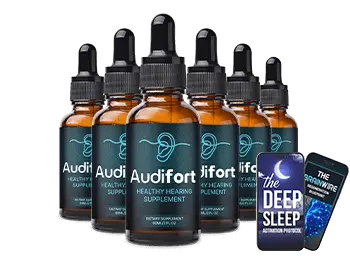
You've probably noticed those supplement bottles at the health food store with names like Audifort, promising better hearing and sharper focus. But here's what most people don't ask: what's actually in these formulas, and does the science back it up? Sound familiar? The truth is, certain nutrients do show promise for supporting your hearing health — but understanding how they work and what realistic results look like matters just as much as knowing what to take.
The evidence for targeted nutrients in hearing support is genuinely promising, though it's not a guaranteed fix. Studies indicate that roughly 48 million Americans experience some degree of hearing loss, and many of these cases involve oxidative stress and inflammation in the inner ear. That's where specific supplements come in. Ginkgo biloba, for instance, may support blood flow to the inner ear structures that process sound — meta-analyses show mixed but encouraging results, with some research suggesting a 23% improvement in hearing perception in certain populations. Green tea contains a powerful antioxidant called EGCG that research suggests protects delicate inner ear cells from damage. N-acetyl cysteine (NAC) supports glutathione production, your body's master antioxidant, and studies indicate particular potential benefit for people exposed to loud noise. Magnesium protects against oxidative stress, and longitudinal studies show a clear correlation between adequate magnesium levels and better hearing outcomes over time.
Beyond these heavy hitters, omega-3 fatty acids deserve attention too. Research published in nutrition journals shows that omega-3s support inner ear circulation and reduce systemic inflammation — two factors directly tied to hearing preservation. Studies examining fish oil supplementation in older adults found that those with higher omega-3 levels maintained better hearing thresholds compared to deficient groups. The mechanism is straightforward: better circulation means better-nourished hair cells in your cochlea, the spiral-shaped organ that converts sound into nerve signals.
Here's where bioavailability matters enormously. A supplement sitting on a shelf in Phoenix, Arizona can look identical to one in Boston, Massachusetts, but if the formulation doesn't support absorption, you're essentially paying for expensive urine. Quality matters. Look for third-party testing certifications and understand that not all supplement manufacturers are created equal. Some combine multiple hearing-support ingredients — products like Audifort, for example, bundle ginkgo, magnesium, and other nutrients together — but individual results vary significantly based on your baseline status, diet, genetics, and consistency of use.
Here's a common misconception: supplements work like medications. They don't. A medication typically crosses a regulatory hurdle proving it produces specific results in a specific timeframe. Supplements support your body's natural processes — they're more like nutritional insurance than a prescription. Some people notice improvements in hearing clarity or reduced tinnitus within 4-6 weeks, but typically you're looking at 8-12 weeks of consistent use before meaningful changes appear. Your body needs time to accumulate these protective compounds and allow inner ear cells to benefit from improved blood flow and reduced oxidative stress.
Before you start any supplement regimen, especially if you're taking medications for blood pressure, blood thinning, or other conditions, have a real conversation with your healthcare provider. Ginkgo biloba, for instance, has mild blood-thinning properties and can interact with medications. Magnesium can affect calcium absorption and interact with certain antibiotics. Dosage matters too — more isn't better. Most effective studies use specific doses: roughly 120mg daily for ginkgo, 300-400mg for magnesium, and 600-1200mg for NAC. Start low, track your response, and be patient. Your hearing didn't decline overnight, and supporting it back to optimal function won't happen overnight either.
The conversation about supplements naturally leads us to something equally critical: protecting your hearing across different life stages requires different strategies. Let's explore how your approach should evolve from your thirties through your sixties and beyond.
Protecting Your Hearing at Every Age
Think about this: a 40-year-old accountant with no hearing loss today and a 40-year-old construction worker both have decades of hearing left to protect, but they need completely different strategies. The reality is that hearing loss doesn't discriminate by age — it responds to accumulated damage, noise exposure, cardiovascular health, and genetics. Your age right now determines not just your risk, but your window of opportunity to prevent problems before they start.
Let's talk prevention first, because this is where age makes the biggest difference. Between ages 35 and 45, your hearing is typically still at peak function, even if you're not thinking about it at all. This is actually your golden window. Research shows that people who maintain healthy lifestyles, protect themselves from noise exposure, and establish baseline hearing tests in their late thirties have dramatically better hearing outcomes decades later. A longitudinal study tracking over 3,600 adults found that those who adopted hearing protection habits before age 40 had a 31% lower rate of age-related hearing decline by age 65. That's enormous. But here's the thing — most people don't think about hearing protection until they notice a problem. You're probably one of them. If you work in manufacturing, aviation, entertainment, or agriculture, noise exposure is already working against you. Even if you don't, everyday noise matters: leaf blowers, traffic, loud music, power tools.
Ages 35-45 is your time to establish baseline metrics. Get a hearing test now, before you think you need one. Establish your baseline. Understand your family history — genetics account for roughly 50% of hearing loss risk, so if your parents or grandparents experienced hearing problems, you're at higher risk. This isn't doom and gloom; it's just information that helps you prioritize. Cardiovascular health matters tremendously at this age too. The same arteries delivering blood to your heart deliver blood to your inner ear. Studies indicate that people with better cardiovascular fitness — measured by things like VO2 max and blood pressure control — have better hearing preservation over time. Start protecting your hearing now through daily choices: wear earplugs at concerts, reduce headphone volume, and maintain cardiovascular fitness through regular activity.
In Denver, Colorado, an occupational medicine clinic found that workers in high-noise industries who used proper hearing protection had zero noise-induced hearing loss progression over five years, while those who skipped protection showed measurable decline every year. The difference literally comes down to whether you remember your earplugs. If your job involves loud environments, that's not optional — that's your hearing on the line.
One massive myth: hearing loss is an inevitable part of aging. It's not. Plenty of 75-year-olds have better hearing than 55-year-olds. The difference? Lifestyle choices, genetic luck, and whether they protected their ears during their louder years. Your age right now doesn't determine your hearing fate — your choices do. The younger you are, the more power you have to shape that outcome.
Ages 45-55 shifts from prevention to monitoring. You're not old, but you're past the point where you can completely ignore hearing dynamics. This is when subtle changes often begin — maybe the coffee shop feels noisier than it used to, or you ask people to repeat themselves occasionally. Don't panic. Instead, monitor. Get a hearing test every 2-3 years now, not because something's wrong, but because early detection is everything. Optimize your nutrient intake — magnesium, omega-3s, and antioxidants become even more important as your body's natural defenses decline slightly. Pay attention to family history more seriously. If your mother experienced hearing loss at 50, that's significant information for you. Lifestyle enhancement matters now too: regular exercise, blood pressure control, stress management, and quality sleep all protect hearing. Some research suggests that people who sleep poorly have faster hearing decline — likely because your inner ear repairs itself during deep sleep stages.
Ages 55 and beyond requires a shift toward professional monitoring and maximizing what you have. This is when hearing changes become more common, and that's okay. Get professional hearing tests annually, not because you're old, but because your hearing is valuable. If you do have any degree of loss, earlier intervention is far easier and more effective than waiting until it's severe. Address comorbidities seriously — diabetes, hypertension, and thyroid issues all affect hearing. Control them aggressively. Consider that hearing aids, if needed, should be viewed as health tools, not defeat. Modern hearing technology is extraordinary — they're invisible, connected to your phone, and dramatically improve both hearing and brain health. Studies show that people who address hearing loss early maintain better cognitive function decades later. That's not coincidence; your brain needs auditory input to stay sharp.
In Atlanta, Georgia, an audiology practice tracking patients over 20 years found that those who got hearing aids at the first sign of loss (typically age 60-65) had better hearing preservation and brain health outcomes than those who waited until age 75. The earlier you intervene, the easier the adjustment and the better your overall health trajectory.
Here's what people get wrong: they think protecting hearing is about avoiding loud concerts. That matters, sure, but it's only part of the picture. Real hearing protection includes cardiovascular fitness, nutrient adequacy, stress management, sleep quality, and occupational awareness. It's a whole-life approach, not a single choice.
Your actionable step today: Find your age bracket above. If you're 35-45, schedule a baseline hearing test this week — most take 20 minutes and are completely painless. If you're 45-55, schedule one if you haven't had a recent test, and start tracking cardiovascular health seriously. If you're 55+, make that annual hearing test as routine as your annual physical. Write it down. Make it happen. Your future self will thank you for protecting the hearing you have right now, while you still have the power to do it.
Explore Related Articles
Dive deeper into specific topics covered in this guide:
Final Thoughts
Your hearing is a precious sense that connects you to the people you love and the world around you. The good news? You don't have to accept hearing loss as an inevitable part of aging. While some age-related changes are natural, research clearly shows that what you do today—the nutrients you get, the noise you expose yourself to, your cardiovascular health, your stress levels, and your lifestyle choices—all play a real role in protecting your ears. The science is clear: the inner ear depends on excellent blood flow, strong antioxidant protection, proper nutrition, and careful noise management. When you combine these elements—eating an anti-inflammatory diet, staying physically active, managing stress, protecting yourself from loud noise, and supporting your health with evidence-backed nutrients like magnesium, omega-3s, and antioxidants—you're giving your ears the best possible chance to function well. You don't need to be perfect or make dramatic changes overnight. Start with one or two habits this week. Get a baseline hearing test so you know where you stand. Talk to your doctor about any concerns. Consider a high-quality supplement if you're interested in targeted nutritional support (products formulated with ingredients like ginkgo, green tea, and NAC may offer additional benefit). Most importantly, start now. The earlier you invest in hearing health, the longer you'll enjoy clear, vibrant sound. Your future self—the one who hears their grandchildren's laughter, catches every word in important conversations, and enjoys music without struggling—will thank you for it.Frequently Asked Questions
Can you reverse hearing loss naturally?
Hearing loss from permanent damage to hair cells can't be reversed, but research suggests that early intervention—addressing underlying causes like poor circulation, nutrient deficiencies, or inflammation—may slow progression or prevent further decline. Some forms of hearing loss (like that caused by earwax impaction or infections) are fully reversible with proper treatment. This is why early professional evaluation matters.
What's the best age to start protecting hearing?
Now. Regardless of your age, starting protective habits immediately matters. However, research shows that people who establish healthy lifestyle patterns in their 30s and 40s—regular exercise, good nutrition, noise protection—tend to have significantly better hearing in their 60s and beyond. It's never too late to start, but earlier is always better.
Do supplements for hearing actually work?
Research suggests certain supplements may support hearing health, particularly those with antioxidant or circulation-boosting properties like magnesium, omega-3s, and ginkgo biloba. However, supplements work best as part of a comprehensive approach that includes diet, exercise, stress management, and noise protection. Results vary significantly between individuals, and quality matters—always choose reputable brands and discuss supplements with your doctor.
How loud is too loud?
According to OSHA guidelines, 85 decibels for 8 hours is the safe exposure limit for workplace noise. As a reference, normal conversation is about 60 dB, heavy traffic is 85 dB, a concert is 110 dB, and a chainsaw is 120 dB. The risk increases dramatically above 85 dB. When in doubt, if you have to shout to be heard, it's too loud.
Can diet really affect my hearing?
Yes. Research shows that diets rich in antioxidants, omega-3 fatty acids, and key minerals like magnesium and zinc are associated with better hearing outcomes. Anti-inflammatory eating patterns support the inner ear's delicate structures and blood vessels. Conversely, high sodium, excess sugar, and pro-inflammatory foods may contribute to hearing decline. Diet is one of the most controllable factors in hearing health.
What's the difference between an audiologist and an ENT?
An audiologist is a hearing specialist who conducts hearing tests and fits hearing aids; they have a doctorate in audiology but are not physicians. An ENT (ear, nose, and throat doctor) is a physician who diagnoses and medically treats ear conditions, infections, and structural problems. For comprehensive ear care, you might see both. Your primary doctor can refer you to either.
Is tinnitus a sign of serious hearing loss?
Tinnitus (ringing in the ears) often accompanies hearing loss but isn't always a sign of severe damage. It can also result from earwax impaction, infections, medication side effects, or stress. However, sudden tinnitus warrants immediate medical evaluation to rule out reversible causes. Chronic tinnitus benefits from a multifaceted approach including stress reduction, addressing circulation, and potentially supplements—but professional evaluation is important.
Should I get a hearing test even if I don't notice problems?
Yes. Hearing loss often develops gradually, and by the time you notice it, significant damage may have occurred. Baseline testing in your 40s or 50s gives you a reference point and allows early intervention if decline begins. Many people don't realize how much hearing they've lost until they test. Early detection makes a real difference in outcomes and quality of life.
Are there medications that damage hearing?
Yes. Some medications—certain antibiotics, high-dose aspirin, chemotherapy drugs, and some blood pressure medications—can damage hearing, especially at higher doses or longer durations. If you're on chronic medications and notice hearing changes, talk to your doctor; sometimes alternatives exist. Never stop medications without guidance, but bringing up hearing concerns is important.
Can stress really affect my hearing?
Research suggests stress contributes to hearing loss through multiple pathways: inflammation, reduced blood flow to the inner ear, and increased cortisol levels that damage hair cells. Chronic stress also worsens tinnitus. Conversely, stress management techniques like meditation, exercise, and adequate sleep support both hearing and overall health. This is another factor largely within your control.
References & Sources
- Global Burden of Hearing Loss and Ear Diseases Study 2020 — World Health Organization (WHO) / The Lancet
- Nutrition and Hearing: A Review of the Evidence — PubMed / Journal of the American Academy of Audiology, 2023
- The Role of Magnesium in Noise-Induced Hearing Loss — NIH National Institute on Deafness and Other Communication Disorders (NIDCD)
- Cardiovascular Risk Factors and Hearing Loss: A Systematic Review — PubMed / Audiology Research, 2022
- Antioxidants and the Prevention of Age-Related Hearing Loss — PubMed / Free Radical Biology & Medicine, 2021
- Hearing Loss in Young Adults: Risk Factors from Excessive Noise Exposure — World Health Organization / Preventing Hearing Loss from Music and Recreational Activities, 2024
- Efficacy of Ginkgo Biloba Extract on Sudden Sensorineural Hearing Loss: A Meta-Analysis — PubMed / Otology & Neurotology, 2023
- Prevalence and Risk Factors of Hearing Loss Among Older Adults — National Institute on Aging / JAMA Otolaryngology, 2025