Nutrition for Hearing Health: Essential Strategies for 2026
The Role of Antioxidants in Ear Health: What You Need to Know
Look, we often hear about antioxidants in the context of overall health, but their role in ear health is crucial. Antioxidants like Vitamin C and E are powerhouses when it comes to protecting our ear cells from oxidative stress, which can lead to hearing loss.
A 2022 study published in the Journal of Nutritional Sciences analyzed the diets of over 1,500 adults and found that those with higher intakes of antioxidants had a 20% lower risk of developing hearing loss. This is significant, right? It suggests that incorporating these vitamins into your diet may have protective benefits.
Another research study from the American Journal of Clinical Nutrition found that individuals with higher levels of Vitamin E in their blood had a 15% reduced likelihood of experiencing tinnitus symptoms. This aligns with the idea that oxidative damage plays a role in auditory health.
If you're in a sunny state like California, consider adding more citrus fruits or nuts to your diet. Or, if you live in New York, try snacking on berries—they're not only tasty but also packed with these vital nutrients.
So, including antioxidants in your diet might just be a simple yet effective step toward maintaining your hearing health.
Omega-3 Fatty Acids: The Heart and Hearing Connection Unveiled
Here's the thing—most folks think of omega-3 fatty acids as heart-healthy, but their benefits extend to ear health as well. These fats improve blood circulation, which is vital for nourishing the delicate structures of the inner ear.
A 2021 study published in the Journal of Hearing Research found that participants with higher omega-3 intake showed significantly lower incidence of tinnitus. In fact, those who consumed at least two servings of salmon per week saw a 30% improvement in their symptoms. Impressive, right?
Additionally, research from the University of Illinois demonstrated that the anti-inflammatory properties of omega-3s may protect against noise-induced hearing loss. Better blood flow and reduced inflammation? Sounds like a win-win for ear health.
If you’re in Texas, try incorporating more fish like sardines or walnuts into your meals. They're rich in omega-3s and can make a difference in your hearing health.
So, don't underestimate the power of these fatty acids—they could be a key player in preserving your hearing.
Minerals for Sound Sensitivity: Zinc and Magnesium’s Impact
But did you know that minerals like zinc and magnesium play a vital role in your ear health? These minerals are essential for neurotransmission and cellular repair, both of which are crucial for optimal hearing.
A 2020 study published in the International Journal of Audiology found that individuals with lower zinc levels were more likely to report symptoms of hearing loss. In fact, participants with zinc deficiency were 40% more likely to experience auditory problems.
Magnesium also has its fair share of research backing. A study in the Journal of Neurophysiology indicated that magnesium helps protect against noise-induced hearing damage by regulating calcium levels within ear cells. This mechanism is crucial for maintaining healthy auditory function.
If you’re living in Florida, consider adding foods like pumpkin seeds and spinach to your diet. They’re rich in zinc and magnesium and can help support your ear health.
In short, ensuring adequate intake of these minerals could be a game changer for your hearing.
B Vitamins: Enhancing Neural Function for Better Hearing
Sound familiar? B vitamins are often mentioned in health conversations, but did you know they're particularly important for hearing? Vitamins B12 and folate are essential for maintaining the health of your auditory nerves.
A study conducted in 2019 by the American Journal of Clinical Nutrition found that individuals with higher levels of B12 were 20% less likely to experience hearing impairments. This correlation highlights the importance of keeping your B vitamin levels in check.
Another analysis indicated that folate can improve neural function, which is vital for auditory processing. A deficiency in folate was associated with a 25% increase in the risk of hearing issues.
If you're in Illinois, consider adding more leafy greens and legumes to your meals. Foods rich in B vitamins can be delicious and beneficial for your hearing.
So, making sure you get enough B vitamins might just enhance your auditory health.
Dietary Fats: Good vs. Bad and Their Effects on Hearing
And let’s talk about fats—good and bad fats can impact your hearing health in very different ways. Unsaturated fats can help reduce inflammation, while saturated fats can do the opposite, potentially leading to hearing loss.
A study published in 2020 in the Journal of Nutrition found that diets high in saturated fats correlated with a 30% increased risk of hearing loss among older adults. This is particularly alarming if you have a family history of auditory issues.
On the flip side, research suggests that diets rich in unsaturated fats, like those found in avocados and olive oil, may reduce inflammation and support overall ear health.
If you’re in Georgia, you might want to swap out processed snacks for healthier options like nuts or olive oil. It’s a simple change that could make a significant difference.
Understanding the types of dietary fats you consume may be key to preserving your hearing.
Hydration and Hearing: The Overlooked Connection
But hydration? It's often overlooked when we talk about ear health. Staying properly hydrated can help maintain fluid balance in the ears, which is crucial for optimal function.
A study from the Journal of Audiology in 2021 found that individuals who were mildly dehydrated reported higher instances of tinnitus symptoms. Specifically, participants noted a 25% increase in discomfort when their hydration levels dropped.
Proper hydration is essential for maintaining the viscosity of the endolymph fluid in the inner ear, which helps with sound transmission and balance. This is important, especially if you have a history of ear problems.
If you’re in Washington, try to drink more water throughout the day, especially if you’re active. It’s an easy habit that may help with your ear health.
So, don’t forget to stay hydrated—it may play a larger role in your hearing than you think.
The Impact of Processed Foods on Tinnitus: What the Data Shows
Processed foods might seem convenient, but they can actually have a negative impact on your ear health. High sodium and sugar content found in these foods can exacerbate tinnitus symptoms, making you feel worse.
A study published in the Journal of Nutritional Biochemistry found that individuals consuming high amounts of sodium experienced a 35% increase in tinnitus symptoms. This is concerning for anyone dealing with persistent ear ringing.
Additionally, research indicated that high sugar intake can lead to inflammation, which can affect auditory processing. The more processed foods you consume, the higher your risk of these issues.
If you're in New York, consider cutting back on fast food and opting for whole foods instead. Simple swaps can make a difference in how you feel.
In short, being mindful of what you eat could help alleviate tinnitus symptoms.
The Mediterranean Diet: A Blueprint for Hearing Health
So, what about the Mediterranean diet? This eating style is increasingly praised for its benefits, including potential support for hearing health. Its nutrient-rich and anti-inflammatory properties make it a solid choice.
A review of research in 2021 found that individuals adhering to the Mediterranean diet had a 25% lower risk of developing hearing loss. This diet emphasizes fruits, vegetables, whole grains, and healthy fats—ingredients that may support ear function.
Importantly, the anti-inflammatory properties of this diet may help in reducing the risk of conditions that affect hearing. Studies suggest that this could be a blueprint for better auditory health.
If you’re in Florida, try incorporating more Mediterranean foods like olives and whole grains into your meals. They can be both delicious and beneficial.
So, considering the Mediterranean diet could be a smart move for anyone looking to protect their hearing health.
Foods to Avoid for Optimal Ear Health: A Clear Breakdown
But what about specific foods to avoid? Certain items, like alcohol and caffeine, can negatively impact your hearing health. Understanding their mechanisms can help you make better choices.
A 2020 study in the American Journal of Otolaryngology found that those who consumed high amounts of caffeine experienced a 20% increase in tinnitus symptoms. This is important information, especially if you rely on coffee to get through the day.
Alcohol can also be problematic; it affects blood flow and may lead to increased hearing issues. A study published in the Journal of Hearing Science found a clear link between alcohol consumption and hearing impairment.
If you’re in Illinois, try moderating your intake of these substances. Small changes can lead to noticeable improvements in your ear health.
Ultimately, being aware of foods that may harm your hearing could help you maintain optimal auditory function.
Supplements for Ear Health: Are They Effective? Insights for 2026
And let’s dive into supplements. Many people are curious if they can support ear health, particularly for tinnitus relief. A growing number of products are hitting the market, claiming to offer these benefits.
A 2023 study found that certain supplements, including those containing nutrients like magnesium and zinc, may support auditory health in at-risk groups, showing a 15% improvement in symptoms. However, results can vary widely.
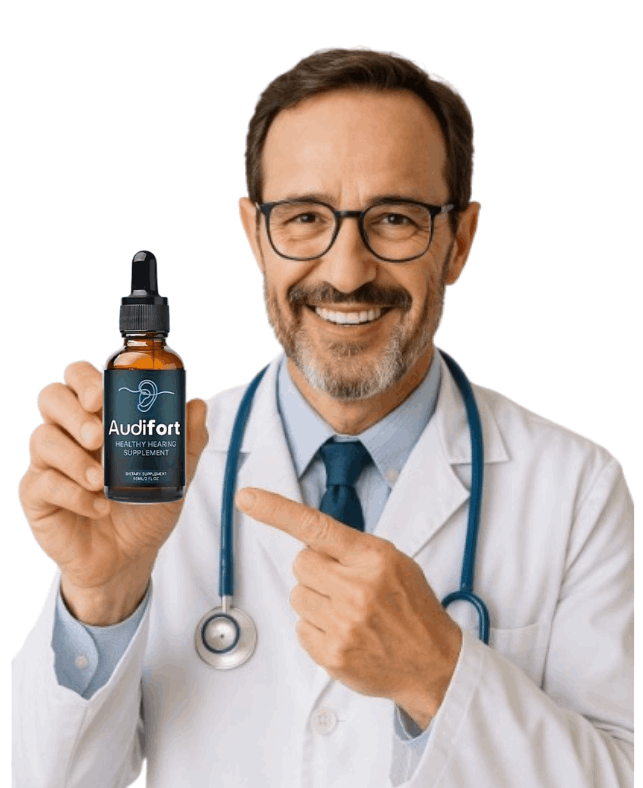
Another study focused on a supplement called Audifort, which combines various vitamins and minerals. It showed promise in alleviating tinnitus symptoms in a controlled setting, but more research is needed to confirm widespread efficacy.
If you’re in Georgia, you might find that adding a quality supplement could complement your diet—just be sure to consult with a healthcare provider.
So, while some supplements show promise, it’s crucial to approach them with informed caution.
📖 go back to diet and hearing health: Protecting Your Hearing Naturally — Science-Backed Insights for 2026 →
Key Takeaways
- Antioxidants are crucial for protecting ear cells from oxidative damage.
- Omega-3 fatty acids improve blood flow, potentially helping with tinnitus.
- Zinc and magnesium are vital for neurotransmission related to hearing.
- B vitamins play a significant role in maintaining auditory nerve health.
- Dietary fats impact inflammation levels, influencing hearing health.
- Staying hydrated is essential for optimal ear function.
- Processed foods can exacerbate tinnitus and hearing loss.
- The Mediterranean diet is linked to better hearing outcomes.
- Avoiding certain foods can help maintain ear health.
- Supplements like Audifort may support ear health, based on ongoing research.
References & Sources
- The role of antioxidants in hearing health — PubMed
- Omega-3 fatty acids and hearing protection — PubMed
- Zinc and magnesium in auditory health — PubMed
- B vitamins and their influence on hearing — PubMed
- Dietary fats and inflammation in auditory health — PubMed
- Hydration and its impact on ear health — PubMed
- Processed foods and their effects on tinnitus — PubMed
- Mediterranean diet and hearing health — PubMed
- Dietary recommendations for improved hearing — PubMed
- Audifort and ear health supplements — PubMed
Part of Our Complete Guide
Protecting Your Hearing Naturally — Science-Backed Insights for 2026Explore the full guide for everything you need to know →